
Quick Answer
A sewer line camera inspection is a video inspection of the pipe that carries wastewater from your house to the city sewer or your septic tank. A plumber feeds a waterproof camera on a flexible cable into the line through a cleanout and watches a live feed, so they can see roots, cracks, sags and clogs without digging.
Get one if you have recurring clogs or backups, before buying a home, or after a bad clog has been cleared, to find out why it happened.
What a Sewer Camera Inspection Shows
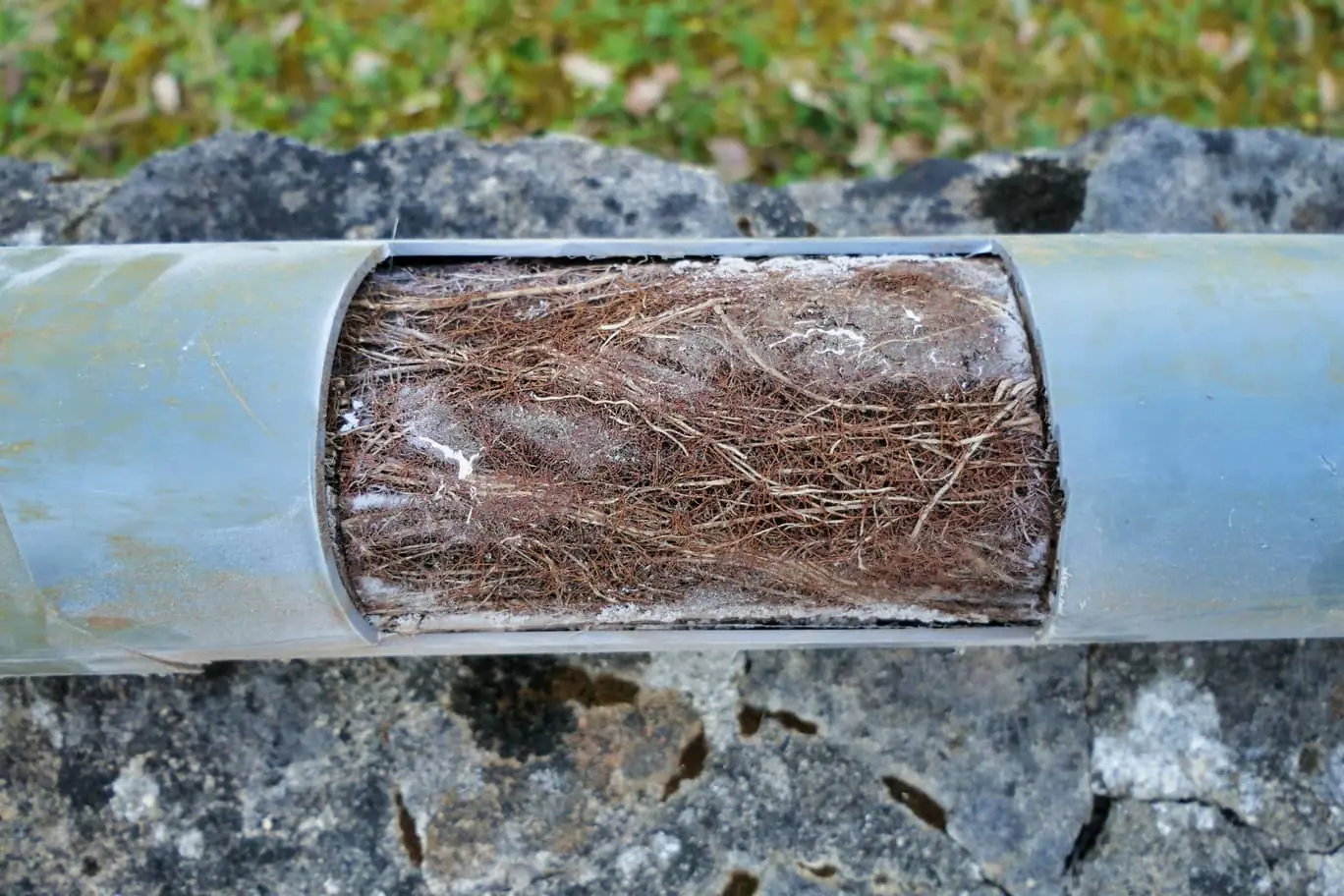
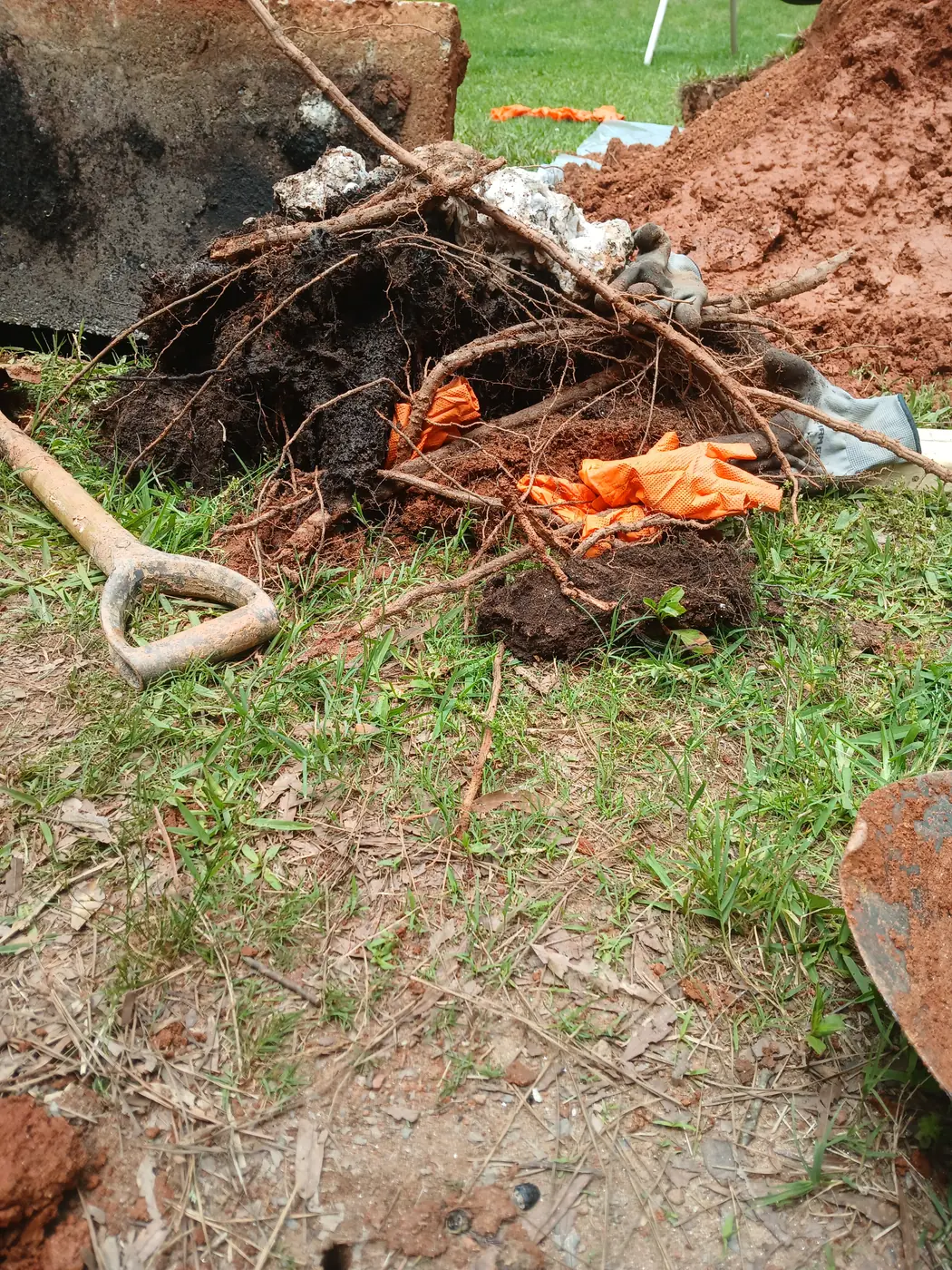
- Tree roots. Roots find their way into joints and small cracks, then grow until they block the line. Early roots can be cleared with hydro-jetting.
- Cracks, breaks and collapsed sections. Shifting clay soil, age and heavy traffic overhead break pipes. The camera shows how bad it is and exactly where.
- Bellies (sags). A section that has sunk holds water and debris and causes clogs that keep coming back. You can't find one without a camera or digging.
- Offset or separated joints. Gaps between pipe sections let roots in and waste out.
- Grease and buildup. Knowing what the clog is tells you whether snaking, drain cleaning or jetting is the right fix.
- Pipe material. Older homes may have cast iron, clay or Orangeburg pipe, which fail with age.
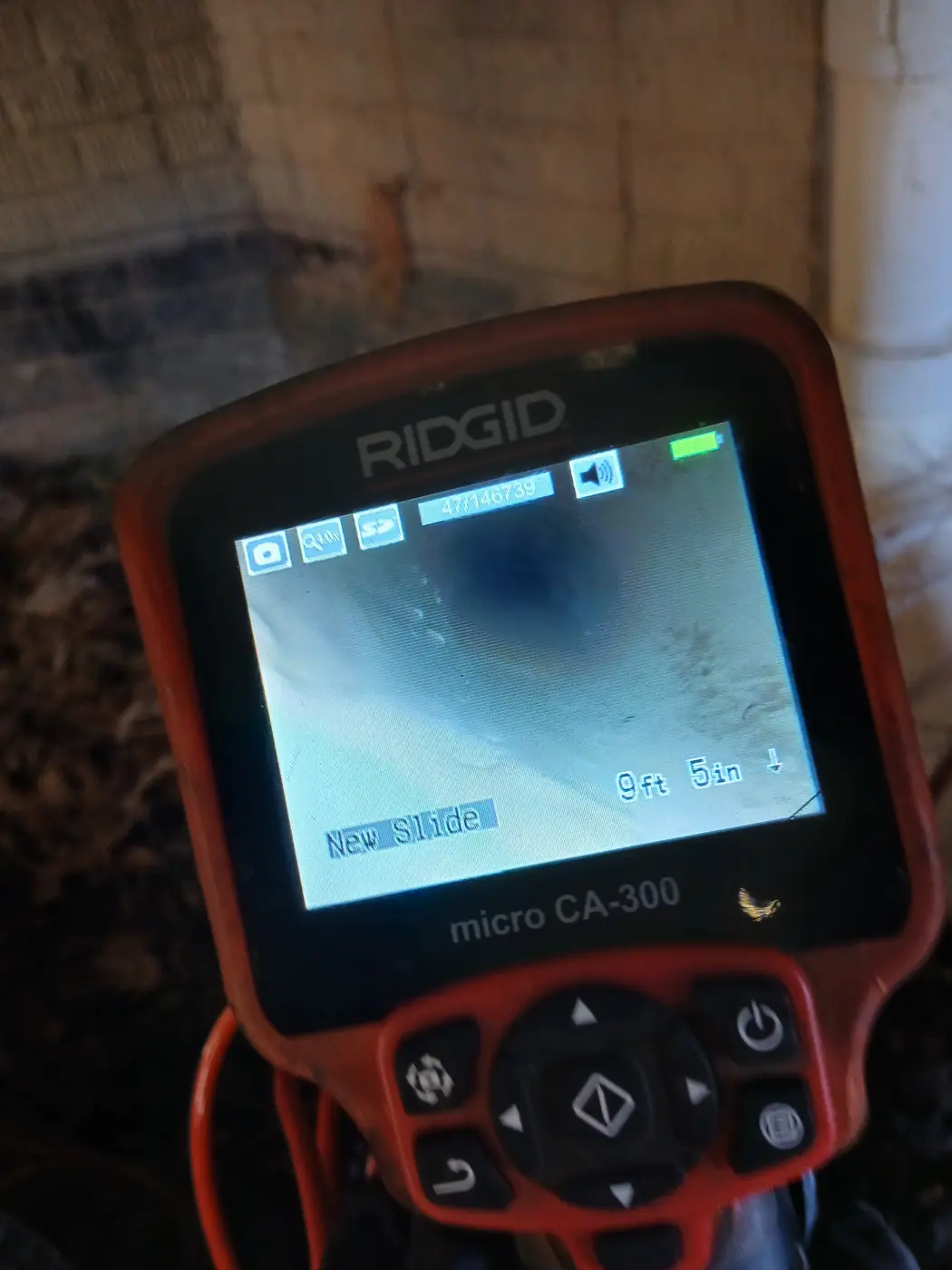
When You Need One
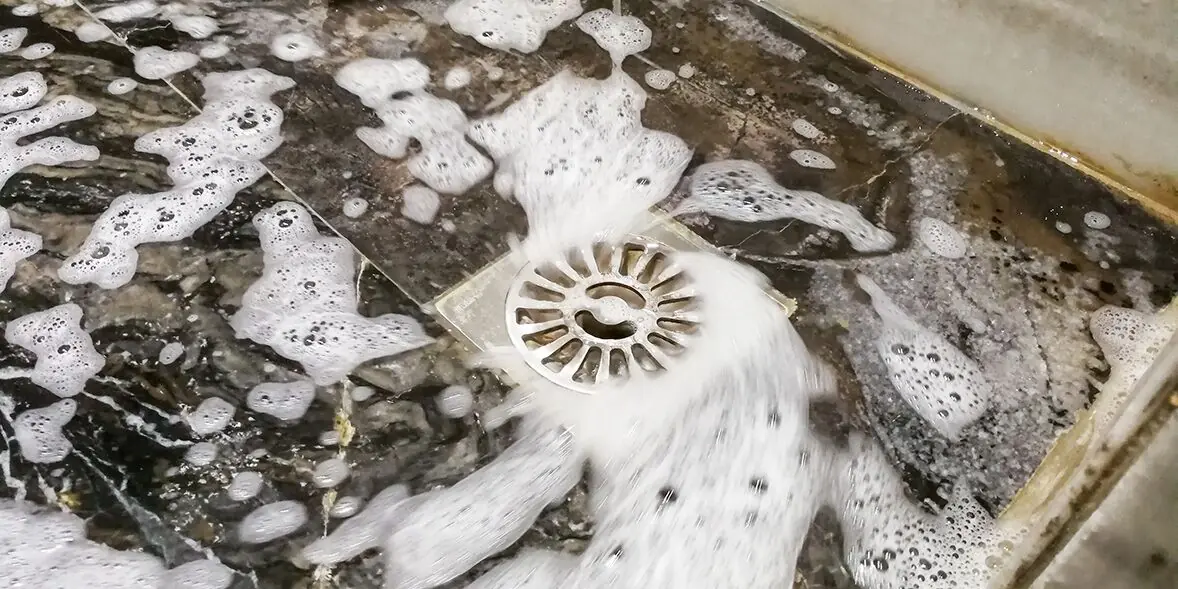
- Clogs that keep coming back, or more than one drain backing up at once
- Before buying a home, especially an older one or a lot with large trees
- After a bad clog is cleared, to see what caused it (see the FAQ below)
- Sewer smells inside or in the yard, or a soggy spot over the line
- Before landscaping, an addition or a pool near the line
- After a sewer repair, to confirm the work and the flow
How We Do It at Plumb-All
- Access the line through a cleanout, or another access point if there isn't one.
- Run the camera through the line while you watch the live feed with us, as far down the line as the problem goes.
- Locate the problem. A locator picks up the camera head through the ground, so we can mark exactly where and how deep a problem is before anyone digs.
- Explain the options and quote the repair before any work starts.
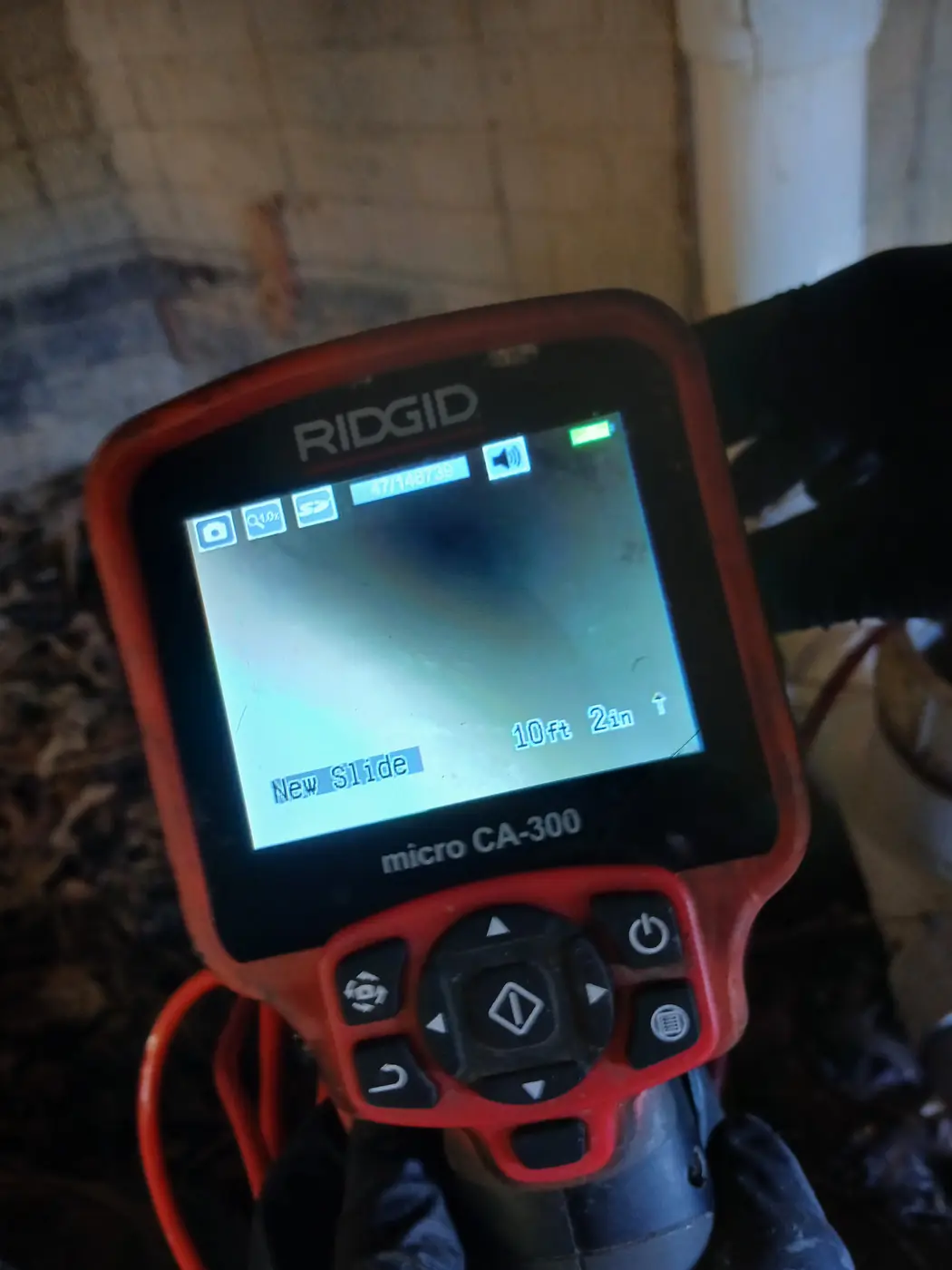
Good to know: Every Plumb-All truck carries a sewer camera, so if we're already out for a clog we can usually look inside the line on the same visit. And if we do the repair, we discount the camera fee.
What Happens After the Inspection
If the line is in good shape, you have peace of mind and a baseline to compare against later. If not, the fix depends on what the camera found:
- Roots or buildup: hydro-jetting to scour the line clean.
- A single broken or bellied section: a spot repair of just that section.
- A line failing end to end: sewer line replacement. See also trenchless sewer repair.
- A septic line problem: see septic line cleaning and septic repair.
Sewer Camera Inspection FAQ
What does a sewer camera inspection show?
It shows the inside of the pipe on video: roots growing through joints, cracks and breaks, collapsed or crushed sections, low spots (bellies) where water sits, separated or offset joints, grease and debris buildup, and what the pipe is made of. The plumber can also locate exactly where each problem is from the surface.
How long does a sewer camera inspection take?
It depends on how long the line is and what the camera finds. We run the camera as far as we need to find the problem.
Should I get another camera inspection after my sewer line is cleaned?
Yes, if the line had a serious clog or roots. Cleaning can hide or reveal damage, and a camera check afterward confirms the line is actually clear and shows whether there is a crack, belly or root entry point that will cause the clog to come back.
Do I need a sewer camera inspection when buying a house?
It is one of the best things you can do before closing, especially on an older home or a lot with big trees. A standard home inspection does not look inside the sewer line, and a damaged line is one of the most expensive surprises a new owner can face.
Can you camera a septic line?
Yes. We run the camera through the line between the house and the septic tank, and through the outlet line toward the drain field, to find roots, breaks and clogs.
Related: signs of a main sewer line problem, how to deal with a backed-up sewer line, and how to tell if your sewer line needs repair.
Want to see what's going on inside your sewer line?