
Common Plumbing Issues in the Metro Atlanta Area
Did you know? Metro Atlanta's red clay soil, heavy storms, temperature swings and aging pipes cause plumbing problems that homeowners in other areas rarely see.
Living in the Metro Atlanta area comes with its own set of plumbing challenges. From the red clay soil that can shift and damage pipes to heavy storms that overwhelm sewer lines, Atlanta homeowners face unique issues that require local expertise. Understanding these common problems can help you identify issues early and prevent costly repairs.
Quick Answers
Why do my drains back up when it rains hard in Atlanta?
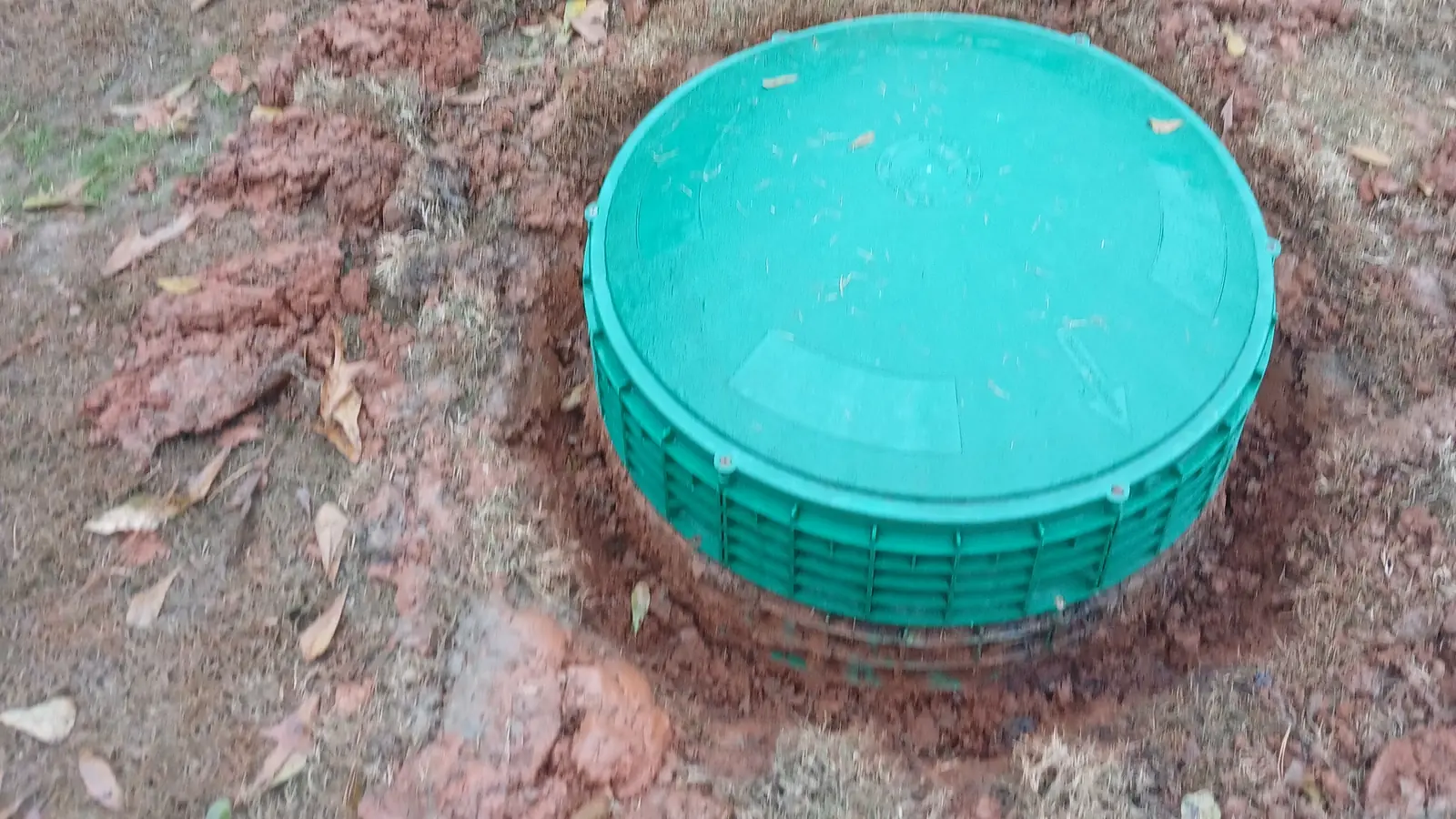
Usually because rainwater is getting into your sewer line. Cracked or separated pipes, root-damaged joints and missing cleanout caps let groundwater and runoff in, and the line overflows during a storm. A city sewer main that is overloaded can also push water back toward the house. On a septic system, a soaked drain field can't absorb any more water, so it backs up toward the house. A camera inspection shows which one it is.
Does clay soil shifting really crack sewer pipes in Georgia?
It can. Georgia's red clay swells when it's wet and shrinks in dry spells, and that movement stresses buried pipes. Older clay and cast iron sewer lines are the most likely to crack or separate at the joints, which also lets roots in. A sewer camera inspection shows offsets, cracks and roots before they cause a backup.
Does hard water shorten water heater life in metro Atlanta?
Usually not on city water. Most metro Atlanta utilities supply soft water; Clayton County Water Authority, for example, reports hardness around 25 mg/L (about 1.5 grains per gallon). Hard water is more of a concern for homes on private wells. Either way, flushing the tank once a year and checking the anode rod helps a tank water heater last.
What are the signs of a failing water heater?
Rusty or discolored hot water, rumbling or popping from the tank, water pooling around the base, running out of hot water faster than usual, and age: most tank water heaters last around 8 to 12 years. A leaking tank should be replaced, not repaired.
1. Hard Water: Mostly a Well-Water Problem
⚠ City Water vs. Well Water
Most metro Atlanta homes on city water get soft water. It comes mainly from rivers and reservoirs, and Clayton County Water Authority, for example, reports hardness around 25 mg/L (about 1.5 grains per gallon). Homes on private wells, common in the rural parts of South Metro Atlanta, can have much harder water, with more calcium and magnesium, and that's where hard-water problems show up.
Signs Your Water Is Hard:
- White, chalky buildup on faucets and showerheads
- Reduced water pressure due to mineral deposits
- Shortened lifespan of water heaters and appliances
- Soap scum that's difficult to clean
- Spots on dishes and glassware
- Dry, itchy skin and dull hair after showering
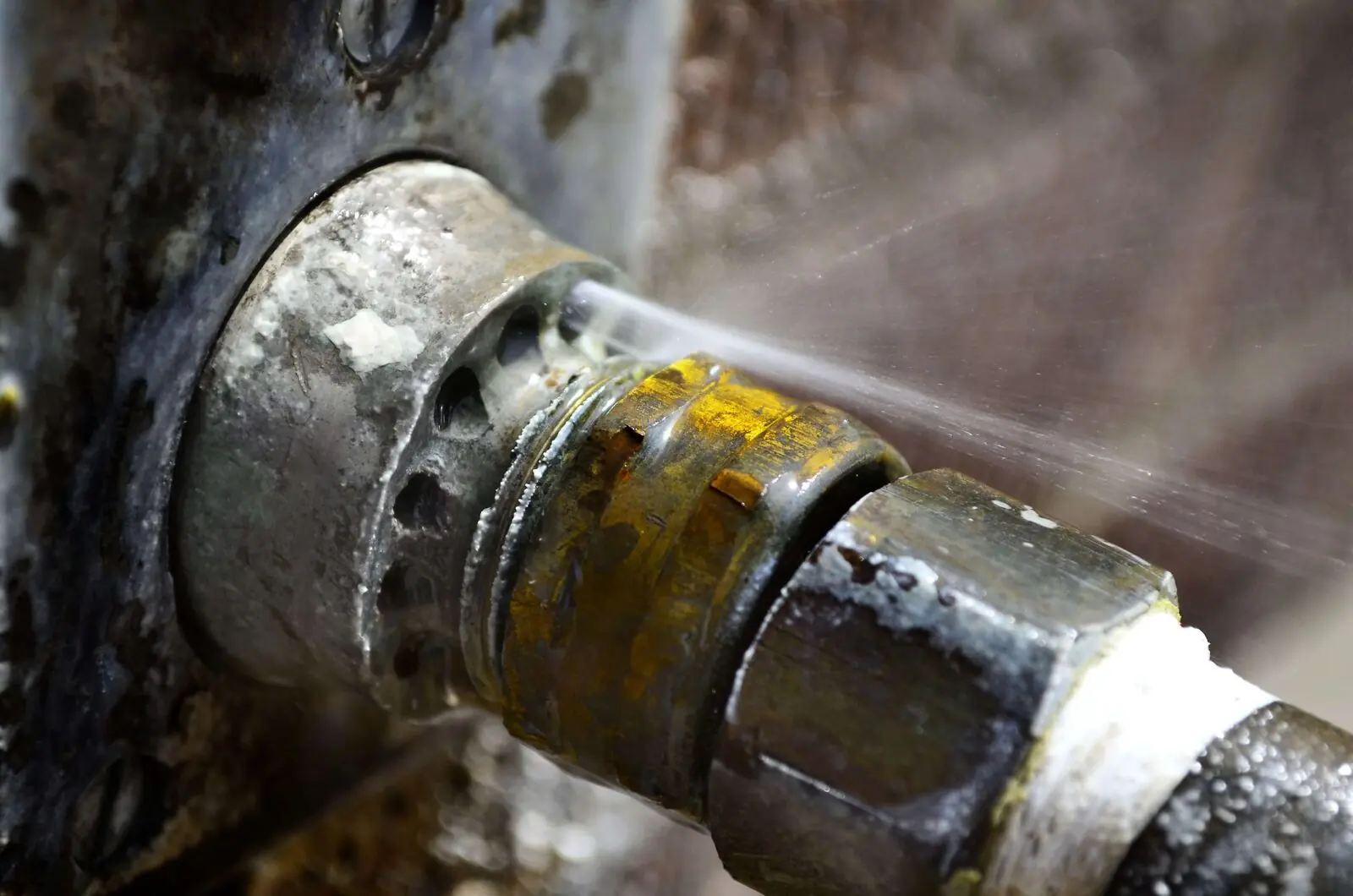
- Dripping faucets caused by mineral buildup
2. Clay Soil and Pipe Damage
Atlanta's famous red clay soil is beautiful but problematic for plumbing systems. This expansive clay soil shifts dramatically with moisture changes, putting stress on underground pipes and sewer lines.
🏠 Clay Soil Impact on Plumbing
Seasonal Pipe Movement
During dry periods, clay soil shrinks and can cause pipes to sag or separate at joints. When heavy rains return, the expanding soil can crush or shift pipes, leading to leaks and blockages.
Foundation Settlement Issues
As clay soil shifts, it can cause foundation settlement that stresses plumbing connections, particularly where pipes enter the home. This often results in leaks at the foundation level.
3. Seasonal Temperature Fluctuations
Atlanta's climate brings hot, humid summers and occasional winter freezes that create unique plumbing challenges throughout the year.
❄️ Winter Issues
- Frozen pipes during unexpected cold snaps
- Burst pipes from rapid temperature changes
- Outdoor faucet and sprinkler system damage
- Water heater strain from increased demand
☀️ Summer Challenges
- Increased water usage straining systems
- Tree root intrusion seeking water sources
- Sewer line backups from heavy rainfall
- Higher humidity affecting indoor plumbing
4. Tree Root Intrusion
Atlanta's lush tree canopy, while beautiful, creates significant challenges for underground plumbing systems. Tree roots naturally seek out water sources and can infiltrate even small cracks in sewer lines.
🌳 Root Intrusion Warning Signs
- Slow drains: Multiple drains backing up simultaneously
- Gurgling sounds: Unusual noises from toilets or drains
- Sewer odors: Unpleasant smells in yard or basement
- Lush patches: Unusually green grass over sewer lines
- Sinkholes: Small depressions in yard near sewer lines
5. Aging Infrastructure Challenges
Many Metro Atlanta neighborhoods were built during rapid expansion periods, and aging plumbing systems are now reaching the end of their useful life. This is particularly common in homes built between 1950-1990.
🔧 Common Aging System Issues
Galvanized Steel Pipes
Many older Atlanta homes have galvanized steel pipes that corrode from the inside out, causing reduced water pressure, discolored water, and eventual pipe failure.
Cast Iron Sewer Lines
Cast iron sewer pipes common in older neighborhoods are prone to corrosion, root intrusion, and collapse, especially when combined with Atlanta's soil conditions.
Polybutylene Pipes
Homes built in the 1980s and early 1990s may have polybutylene pipes, which are prone to sudden failure and are no longer considered reliable.
6. Water Heater Issues
Water heaters work hard in Atlanta, through cold winter snaps and heavy summer use. Most tank water heaters last around 8 to 12 years, and a little maintenance helps yours reach the long end of that.
Local Tip: On soft city water, sediment builds up slowly, but it still builds up. If you're on well water, it builds up much faster. Regular maintenance and annual flushing are essential for optimal performance.
Sediment Buildup
Sediment and minerals settle at the bottom of the tank, reducing efficiency and causing premature failure. You may notice rumbling sounds, reduced hot water capacity, or other warning signs that indicate sediment problems.
Anode Rod Corrosion
The anode rod corrodes on purpose, so the steel tank doesn't. Once it's used up, the tank starts to rust. Having it checked every few years and replaced when needed extends tank life.
7. Clogged Drains and Sewer Backups
Metro Atlanta's combination of tree roots, shifting clay soil, heavy rain, and aging infrastructure makes drain clogs and sewer backups more common than in many other regions.
🚰 Common Drain Issues
Kitchen Sink Clogs
Grease and food particles build up inside kitchen drain lines and create stubborn clogs that are hard to clear with a plunger or store-bought drain cleaner.
Bathroom Drain Problems
Soap scum and hair combine to create thick, sticky clogs in bathroom sink and tub drains.
Main Sewer Line Issues
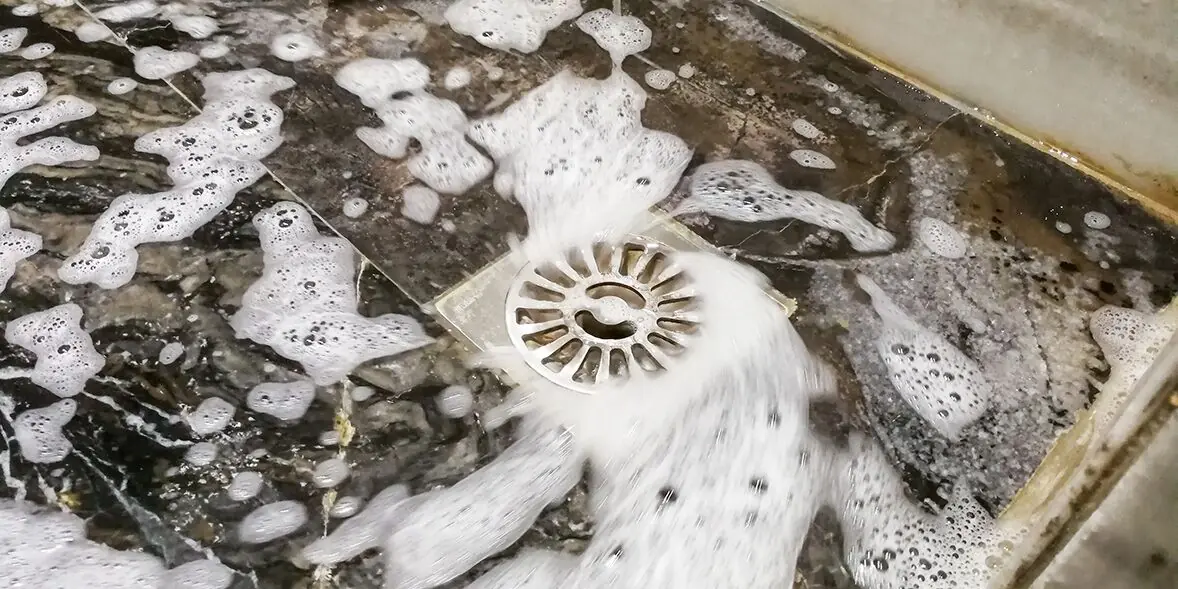
Tree root intrusion, shifting clay soil, and aging pipes contribute to main sewer line blockages that can cause sewage backups into homes. Additionally, improper disposal of "flushable" wipes can create stubborn clogs that combine with other debris.
Prevention and Maintenance Tips
✓ Proactive Maintenance for Atlanta Homes
If You're on Well Water
- Have your water tested for hardness
- Install a whole-house water softener if it's hard
- Use vinegar to dissolve mineral buildup on faucet aerators and showerheads
- Flush your water heater every year
Seasonal Preparation
- Insulate exposed pipes before winter
- Disconnect and drain outdoor hoses
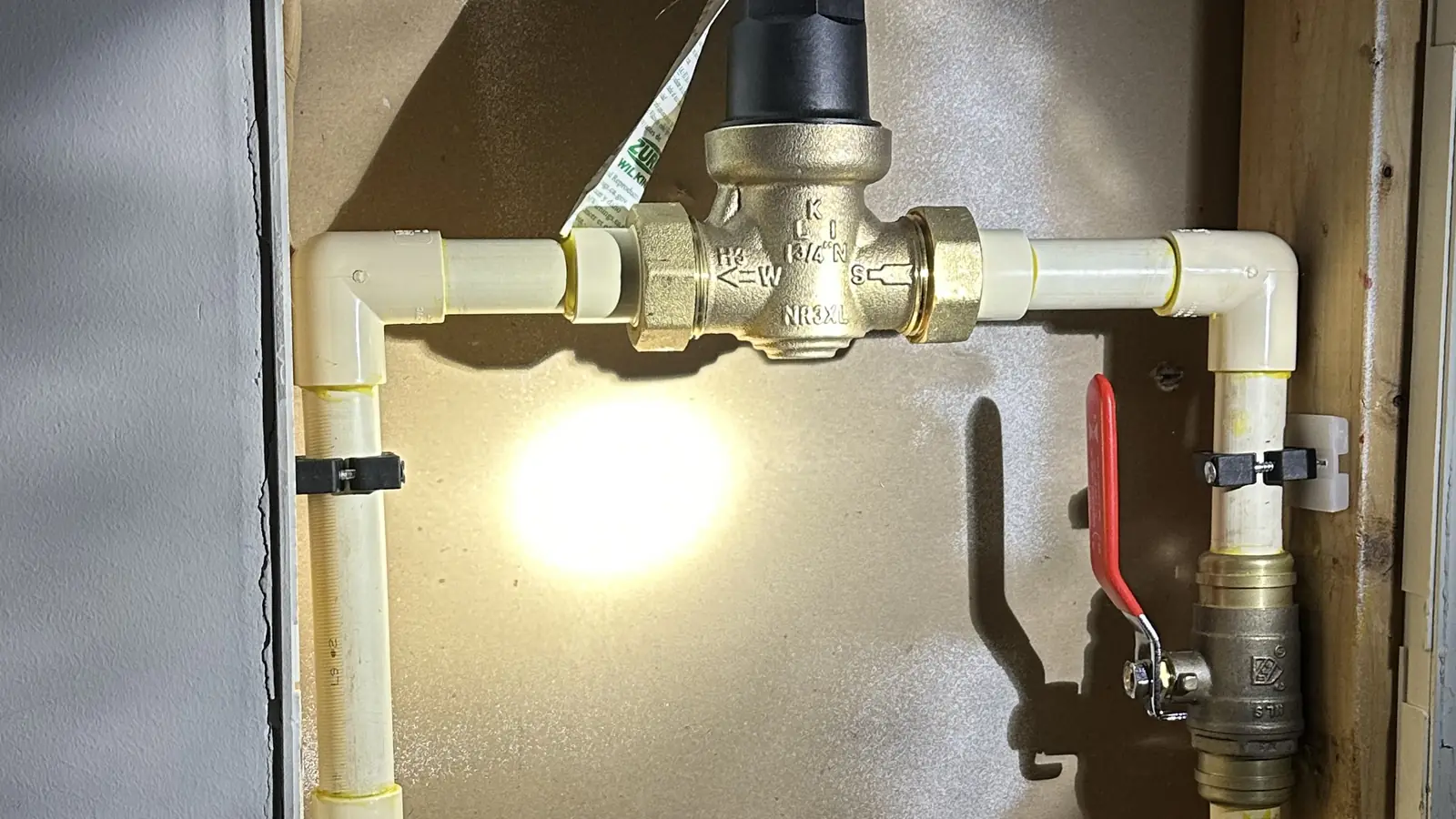
- Know where your main water shutoff is located
- Schedule annual plumbing inspections
Root Prevention
- Avoid planting trees near sewer lines
- Use root-killing treatments annually
- Schedule regular sewer line inspections
- Address small leaks promptly to prevent root attraction
When to Call a Professional
While some minor plumbing issues can be handled by homeowners, Metro Atlanta's unique challenges often require professional expertise. Don't hesitate to call a professional if you experience:
- Multiple drains backing up simultaneously
- Water pressure issues throughout the house
- Discolored or foul-smelling water
- Signs of sewer line problems
- Recurring clogs despite cleaning efforts
- Any signs of pipe leaks or water damage
Local Expertise Matters: Metro Atlanta's unique plumbing challenges require local knowledge and experience. Our team understands the specific issues affecting Atlanta-area homes and can provide targeted solutions that address root causes, not just symptoms.
Don't let common Metro Atlanta plumbing issues turn into major problems. Our experienced local plumbers understand the unique challenges facing Atlanta homeowners and can provide effective solutions. Whether you're dealing with sewer backups, root intrusion, or aging pipes, we have the expertise to help. For emergency repairs or preventive maintenance, call us at (770) 914-3877.
Experiencing plumbing issues? Get expert Atlanta-area service!